7 October 2025
The leathers that define style, comfort, and durability
Kabundji Editorial · 5 min read
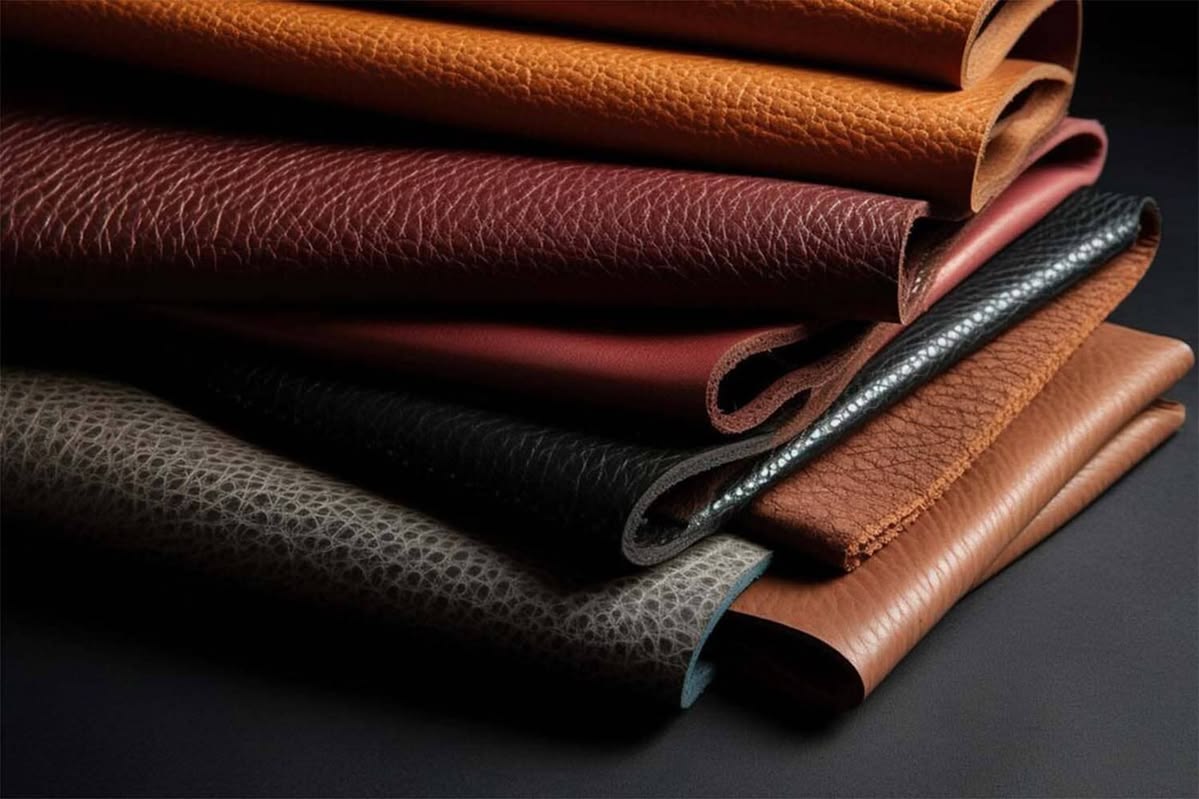
Leather is not a material. It's a family of materials, and a shoe's character comes as much from the hide as from the shape. Here is the shortlist.
Full-grain calf
The top layer of a young bovine hide. Tight grain, strong fibres, ages beautifully. This is the reference material of fine shoemaking. Most Oxfords, Derbies, and loafers you want to own in your lifetime are full-grain calf.
Kudu, peccary, and other game leathers
Softer than calf, with a more porous grain. Peccary (South American wild pig) is the most celebrated — it drapes on the foot like a glove, creases almost immediately in a way that reads as personality rather than wear. Gloves are the traditional use; shoe uppers are a luxury application.
Suede and nubuck
Suede is the nap side of the split; nubuck is the grain side, lightly sanded. Both less formal than smooth calf, both wonderful in odd weather if you treat them well. The main enemy is salt (road salt and sea salt alike).
Shell cordovan
A dense membrane from the rump of a horse. Extremely durable, nearly waterproof, takes months to break in. Instead of creasing, it ripples. Cordovan shoes are an investment and a commitment — worth both.
Scotch grain / pebble grain
Calfskin with a stamped pebble texture. The grain hides scratches, sheds water, and reads country rather than city. A scotch grain Derby is the most practical bad-weather dress shoe.
Exotic leathers
Crocodile, alligator, lizard, ostrich. Status materials, evening-coded, typically reserved for loafers, monks, or bespoke builds. Check CITES documentation — reputable houses provide it.
How to read a tannery name
Good tanneries tell you:
- Species and origin (European calf, French bovine).
- Tanning process (chrome-free, vegetable-tanned, mixed).
- Hide grading (typically 1–5; most fine footwear uses grade 1–2).
A tannery that will not answer those questions is selling a commodity, not a material.
The honest test
Scratch the inside of a shop sample lightly with a thumbnail. Good calf recovers; corrected-grain shows the scratch. The shopkeeper's reaction tells you almost as much as the leather does.